How to Choose the Best BGA Rework Station for Your Needs?
Choosing the right BGA rework station is crucial for efficiency and quality in electronic repair. According to a report by IBISWorld, the electronics repair industry is expected to reach $19 billion in 2023. This highlights the growing demand for effective tools like BGA rework stations. With advancements in technology, the options available can be overwhelming.
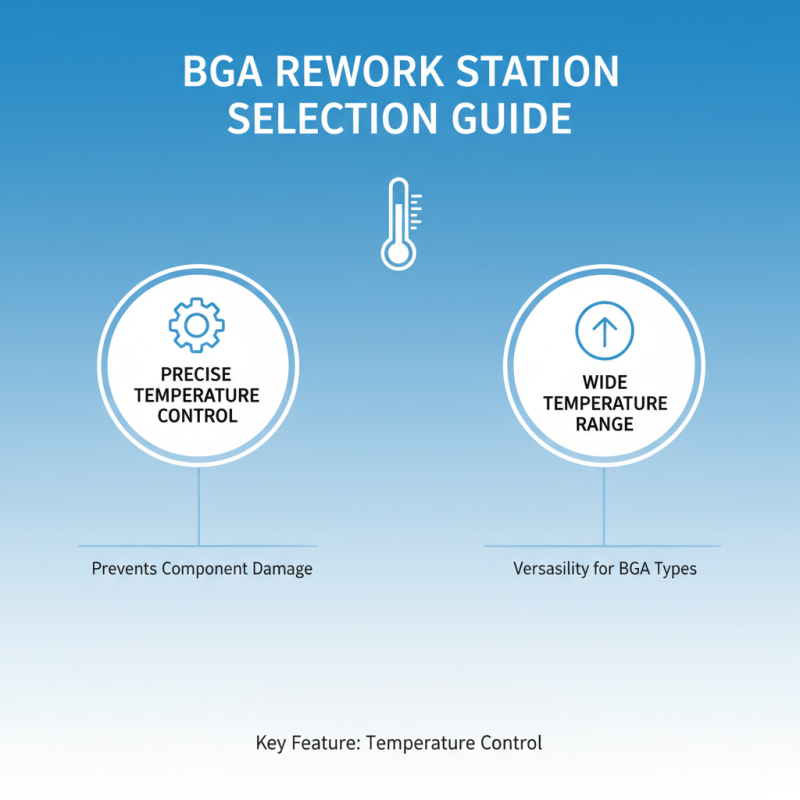
The best BGA rework station should meet specific needs. Factors such as temperature control, precision, and ease of use are key. A survey by IPC found that 70% of technicians prioritize precision when selecting rework tools. This indicates that ensuring accuracy can enhance repair quality, reducing future failures. However, not all stations deliver this level of performance.
When evaluating BGA rework stations, consider user feedback. Reviews often point out limitations like inadequate heating or complex setups. Reflecting on these insights can guide choices, preventing costly mistakes. Ultimately, the right station can significantly impact repair operations, but it requires careful consideration of specific needs and user experiences.

Understanding BGA Rework Stations and Their Importance
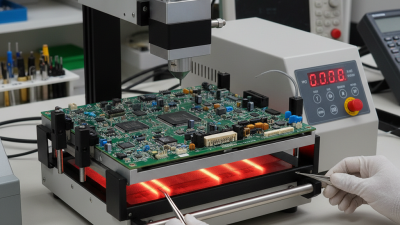
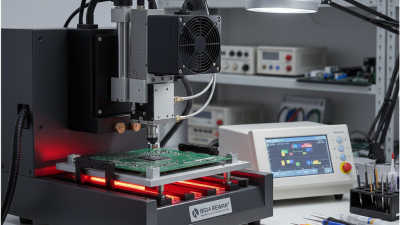
BGA rework stations play a crucial role in electronics manufacturing and repair. These stations are designed to remove and replace Ball Grid Array (BGA) components on circuit boards. In recent years, the demand for BGA rework systems has grown significantly. According to a market analysis report, the global BGA rework station market is projected to reach $1.2 billion by 2025, emphasizing their importance in modern manufacturing.
Understanding the various types of BGA rework stations is essential. These systems vary in functionality, temperature control, and precision. A study indicated that over 40% of issues in electronics repair arise from improper rework techniques. This highlights the importance of investing in a reliable station. Inadequate equipment can lead to failed repairs and significant cost increases. It's essential to consider features such as thermal profiling and the ability to manage different component sizes.
However, not all rework stations are created equal. Many technicians struggle with learning curves when using advanced features. Simpler stations may lack necessary capabilities. It's crucial to weigh the benefits of advanced technology against its complexity. Finding a balance can be difficult. Budget constraints may also limit options, forcing compromises. This makes it necessary to define specific needs clearly. The right choice can significantly reduce rework errors and improve efficiency in operations.
Types of BGA Rework Stations and Their Applications
When choosing a BGA rework station, understanding the types available is crucial. There are primarily three types: hot air rework stations, infra-red rework stations, and hybrid systems. Each has its unique advantages and limitations depending on the complexity of the task. For example, hot air systems are popular for their versatility and ease of use. They can handle a broad range of components and board sizes. According to industry reports, these systems account for over 45% of the market share in semiconductor rework.
Infra-red rework stations offer precision heating. This is particularly beneficial for densely packed boards with sensitive components. However, many find them complicated to operate effectively. The initial setup may take time, leading to possible oversights. Hybrid systems combine features of both hot air and infra-red rework technologies. While they can be powerful tools, they also require a steep learning curve. Reports suggest that around 30% of operators report ongoing struggles with these systems.
Also, consider the scale of operations. A small repair service may benefit from simpler stations, while larger manufacturers need advanced solutions. Data indicates that 60% of companies experienced workflow delays due to inadequate equipment. Balancing cost, capability, and operator training is essential. Reflecting on these factors can lead to better decision-making in the selection process.
Evaluating Budget and Cost-effectiveness in BGA Rework Stations
When evaluating budget and cost-effectiveness for a BGA rework station, consider various factors. The initial price is important, but ongoing costs matter too. This includes replacement parts, tools, and maintenance. A cheaper model might save money upfront but could lead to higher costs over time due to reliability issues.
Think about your production volume. If you handle high volumes, invest in a more robust model. It can reduce downtime and improve efficiency. Reflecting on your needs is crucial. Ask yourself if a high-end model features benefits that truly justify the price. Sometimes, mid-range stations meet all required specifications without excessive spending.
Consider user feedback, especially regarding ease of use and learning curve. A station that’s too complex can waste time. Analyze the long-term value of the investment. Are you getting the quality you expect? It's worth evaluating how the station impacts your overall workflow. Make sure every dollar spent contributes positively to your production goals.
User Reviews and Brand Reputation in Choosing BGA Rework Stations
User reviews play a crucial role in deciding which BGA rework station is the right fit. According to recent industry data, 70% of users rely heavily on online reviews when making their choice. This highlights the importance of gathering insights from those who have firsthand experience. Consider checking platforms dedicated to electronics and soldering communities. Here, users often share their real-world experiences, detailing their satisfaction levels and common issues.
Brand reputation also influences buyer decisions. A survey found that 65% of buyers equate high reputation with quality and reliability. Reputations are built over time. A manufacturer with consistent product performance will attract more trust. However, not every popular brand guarantees you the best product for your needs. Some highly rated stations might not cater to specific applications, leading to potential dissatisfaction.
Comparing user feedback across different models can reveal vital insights. Look for recurring themes, like ease of use or technical support. Yet, every review may not reflect your unique situation. Some users have faced issues that went unaddressed or underreported. A thorough examination and understanding of different perspectives can help refine your decision-making process while avoiding common pitfalls.
How to Choose the Best BGA Rework Station for Your Needs?
| Feature |
Importance Level |
User Rating (out of 5) |
Brand Reputation |
| Precision Control |
High |
4.8 |
Excellent |
| Ease of Use |
Medium |
4.5 |
Good |
| Temperature Uniformity |
High |
4.7 |
Very Good |
| Customer Support |
Medium |
4.0 |
Good |
| Price |
High |
4.2 |
Fair |