How to Choose the Best Aoi Inspection Machine for Quality Control?
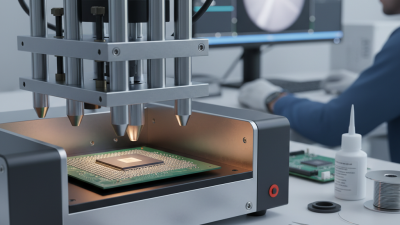
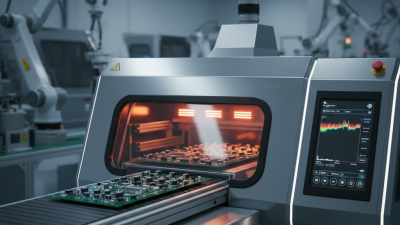
Choosing the right AOI Inspection Machine is critical for effective quality control in manufacturing. These machines play a pivotal role in ensuring product reliability and performance. With advancements in technology, various models now flood the market. This makes the selection process challenging yet essential.
When considering an AOI Inspection Machine, factors like accuracy, speed, and usability should not be overlooked. A high-precision machine can detect even the slightest defects, which enhances product quality. However, balancing speed with accuracy is often a struggle. Users must reflect on their specific production needs and limitations.
Moreover, the cost factor cannot be ignored. Investing in a high-end AOI Inspection Machine may seem appealing, but one must analyze the return on investment. A reliable machine can reduce long-term costs by minimizing defects. Yet, the initial expense can be daunting for some manufacturers. Evaluating both quality and budget is crucial in making an informed decision.
Understanding Aoi Inspection Machines: Types and Specifications
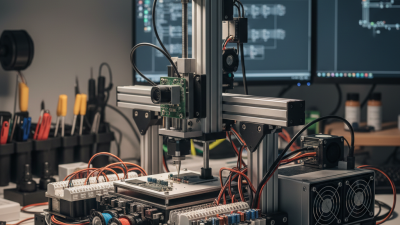
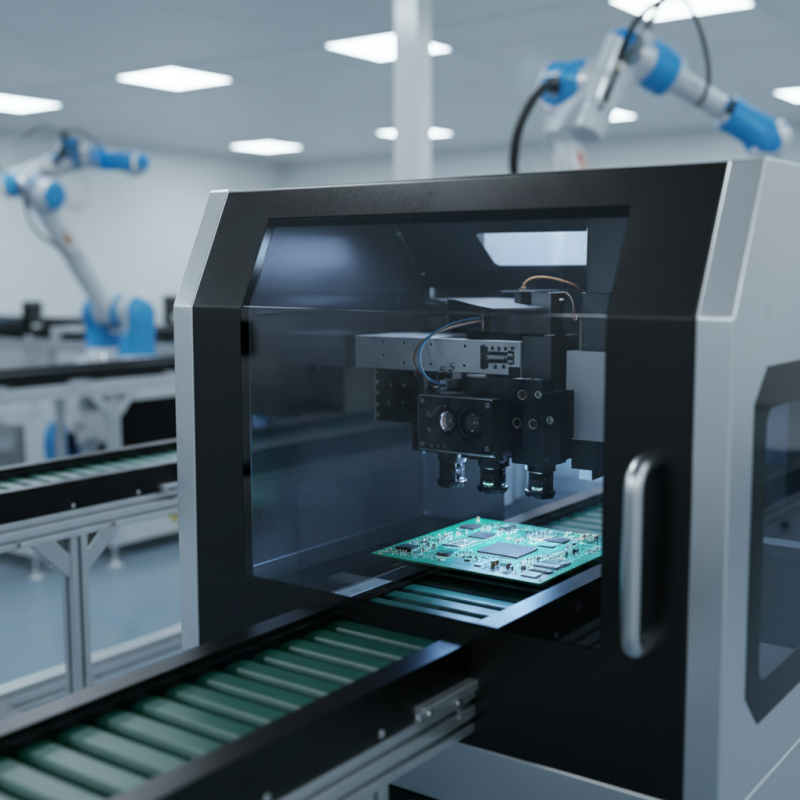
When selecting an AOI (Automatic Optical Inspection) machine, understanding the types and specifications is crucial. AOI machines vary in features. They mainly include 2D and 3D inspection systems.
2D systems check for component placement and solder quality using images. In contrast, 3D systems provide depth measurement. They detect tombstoning and other defects that 2D systems may miss.
Specifications play a vital role in performance. Look at image resolution, inspection speed, and software capabilities. High-resolution cameras enhance defect detection. Fast inspection speeds reduce downtime. Software should be user-friendly and compatible with existing systems. A robust reporting feature is essential for tracking quality trends.
Tips: When choosing an AOI machine, consult with industry experts. They can offer insights based on experience. Evaluate your specific needs. Consider the volume of production and types of products. Don't overlook the importance of ongoing support. Access to technical assistance can save time during critical moments.
Key Features to Look for in Aoi Inspection Machines for Quality Control
When selecting an Automated Optical Inspection (AOI) machine, several key features play a vital role in ensuring effective quality control. The resolution of the inspection system is crucial. Higher resolution offers better defect detection, especially for small components. A machine with adjustable resolution can cater to different inspection needs, thus enhancing versatility.
Another essential feature is the speed of the inspection process. Fast inspection reduces production downtime, which is especially important in high-volume manufacturing environments. However, speed should not compromise accuracy. A balance must be struck here, as a machine that inspects too quickly may miss critical defects.
User-friendly software interfaces contribute significantly to efficiency. Operators need to program inspections or analyze results quickly. Intuitive software minimizes errors during setup and operation. Additionally, the capability to integrate with existing manufacturing systems can streamline the overall production process. Reflecting on these elements reveals that while one feature may attract buyers, overlooking others can lead to oversight in quality management. The right AOI machine combines speed, resolution, user-friendliness, and adaptability, making it a cornerstone of effective quality control.
Evaluating the Performance Metrics of Aoi Inspection Machines
When selecting the right Automatic Optical Inspection (AOI) machine for quality control, evaluating performance metrics is crucial. Key metrics include inspection speed, accuracy, and false acceptance rates. These factors determine how effectively the device can detect defects during production. A machine that excels in speed may not always guarantee high accuracy. Therefore, it’s essential to balance these elements based on your specific production requirements.
Consider the environment where the AOI machine will operate. Variable lighting conditions may affect performance. Calibrate the machine under typical production lighting to ensure reliable results. Also, engage with operators for feedback. They can provide insights into how the machine performs during daily tasks.
Tips: Focus on a flexible machine that can adapt to various products. Regular updates to the software can also enhance functionality. Don’t forget to evaluate the ease of use. Training operators is vital. A complicated interface can hinder productivity. Always analyze past performance data to inform future improvements, ensuring continuous quality control.
Assessing Cost vs. Value in Aoi Inspection Machine Selection
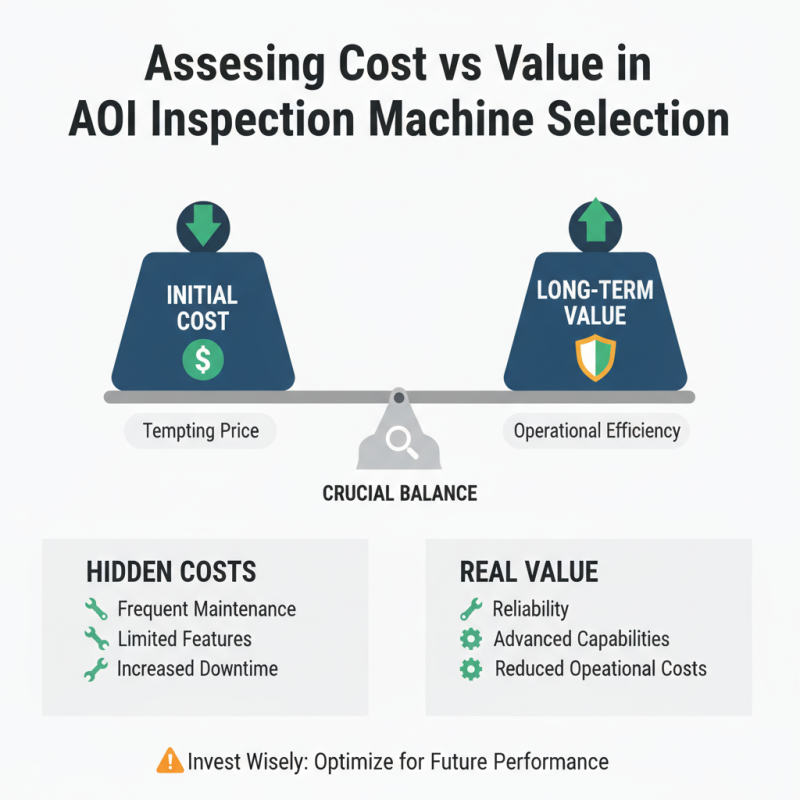
When selecting an AOI inspection machine, balancing cost and value is crucial. The initial price can be tempting, but hidden costs may emerge later. For instance, machines with lower upfront costs might require more frequent maintenance or offer limited features. This can lead to increased operational costs over time.
Evaluating long-term benefits is essential. A higher-priced machine may provide advanced technology, ensuring better accuracy. This can save money through reduced defect rates. Investing in quality can enhance productivity and reliability, leading to a stronger bottom line.
However, consider your needs carefully. If your production volume changes, a high-end model might not be necessary. Reflect on your specific quality control requirements. It's not always about the price tag; sometimes, a more affordable model fits better. Tailoring your choice to your operational demands can provide the best value.
Integrating Aoi Inspection Machines into Your Quality Control Processes
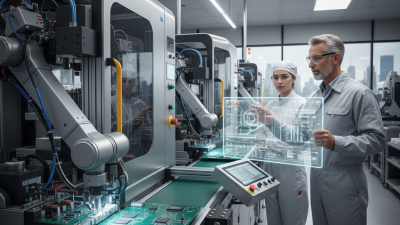
Integrating Automated Optical Inspection (AOI) machines into quality control processes can be transformative. These machines enhance accuracy in detecting defects during production. Employing AOI systems streamlines inspections and reduces human error, contributing to better product quality. However, successful integration requires careful planning and consideration of specific needs.
Training staff is crucial for effective use of AOI technology. Employees must understand how to interpret the data from these machines. Technical expertise can vary among team members, creating challenges in consistent application. Ongoing training and support can help bridge knowledge gaps and optimize the inspection process.
Moreover, it's vital to evaluate the AOI machines regularly. Keeping up with technological advancements ensures your inspection processes remain efficient. Some systems may not align perfectly with production requirements, leading to overlooked defects or unnecessary downtime. Regular assessments will help identify areas for improvement. Thoughtful integration of AOI machines can significantly impact overall quality control, but it demands continuous reflection and adjustment.