What is the Best BGA Rework Station for Global Buyers?
In the ever-evolving electronics industry, selecting the right BGA Rework Station can be challenging for global buyers. Renowned expert, Dr. Emily Zhao, emphasizes, “A reliable BGA Rework Station is critical for quality control and efficiency." With various options on the market, buyers must carefully evaluate their needs and the station’s capabilities.
BGA Rework Stations vary significantly in features and performance specifications. Factors such as temperature control, suction strength, and ease of use influence the decision-making process. Buyers should prioritize brands with a strong reputation in the industry. However, even reputable stations can have limitations. Reviewing user feedback and expert opinions can unveil potential shortcomings.
Investing in a BGA Rework Station is a significant decision. It requires consideration of both current requirements and future needs. Without proper research, buyers risk choosing a station that may not fully meet their operational demands. This underscores the necessity for informed choices and awareness of the technology’s rapid advancements.

Understanding BGA Rework Stations: An Overview
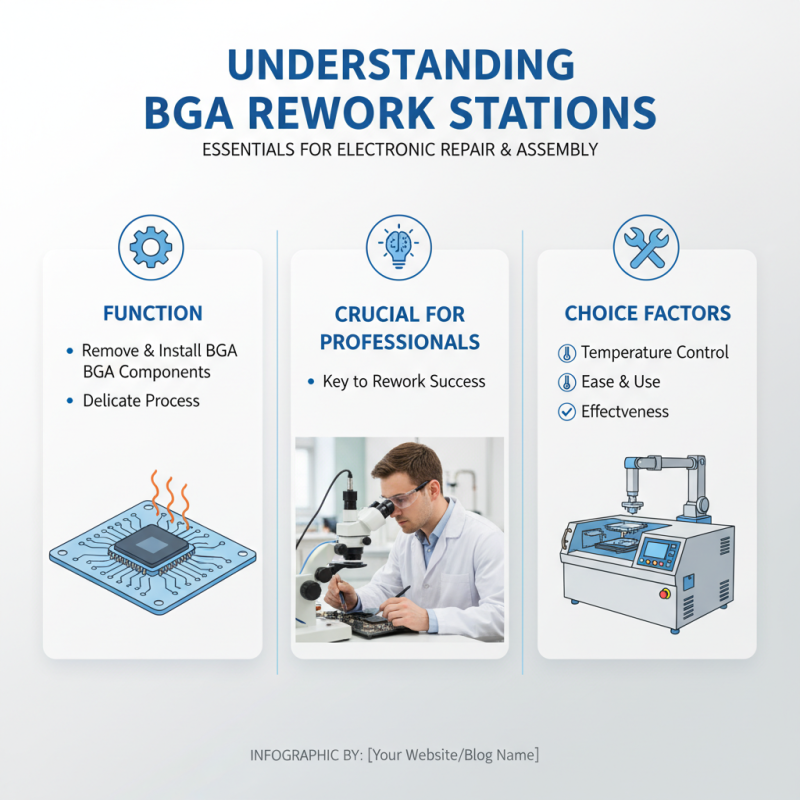
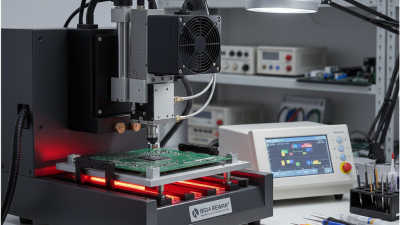
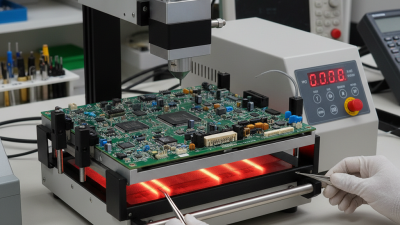
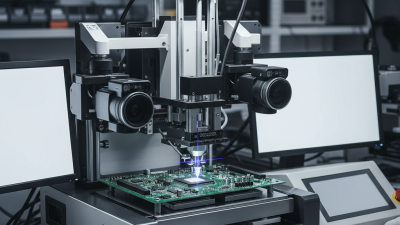
BGA rework stations are essential for modern electronic repair and assembly. These stations allow for the delicate process of removing and installing ball grid array (BGA) components. Understanding how they function is crucial for professionals in this field. Many factors influence the choice of station, including temperature control, ease of use, and effectiveness. Each of these elements plays a key role in the success of BGA rework jobs.
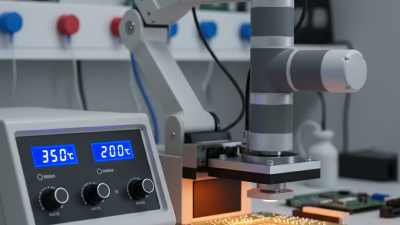
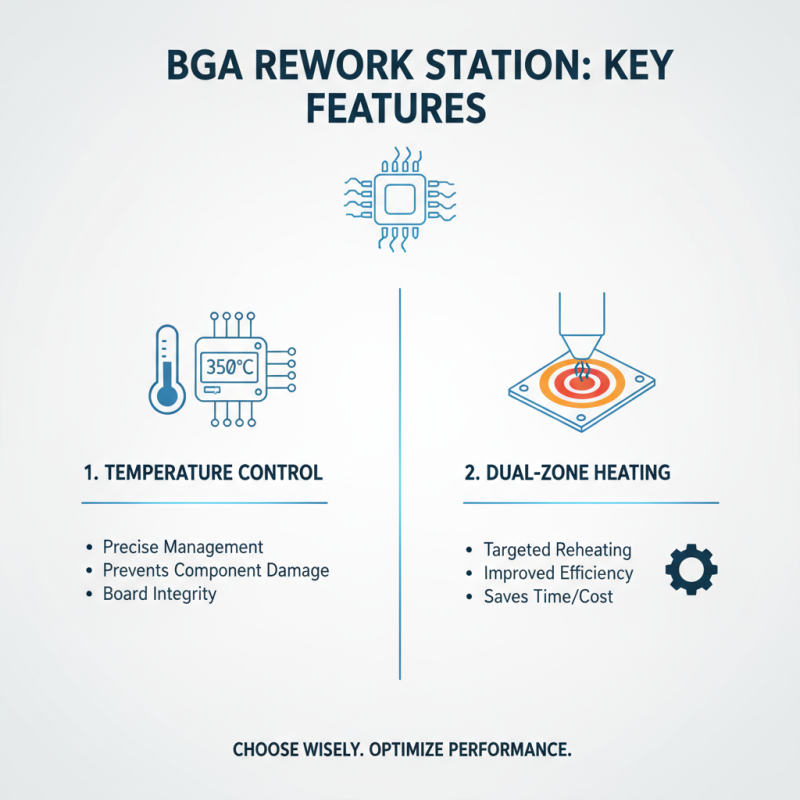
One important feature to consider is the temperature regulation system. Precise heating is vital for successful component attachment. Insufficient heat can lead to poor connections. Conversely, excessive heat can damage the component or the circuit board. Users must evaluate the capabilities and limitations of different stations to select one that meets their specific needs.
Another aspect to reflect on is the learning curve associated with each system. Some might be user-friendly, but others may require extensive training. Acknowledging this can save time and minimize errors. Ultimately, understanding the nuances of BGA rework stations empowers technicians to make informed decisions, enhancing their repair quality.
Comparing Leading BGA Rework Station Brands and Models
When considering the best BGA rework stations, global buyers must analyze various brands and models critically. According to a leading industry report, the market for rework stations is projected to grow at a CAGR of 7.2% over the next five years. This indicates increasing demand for high-quality rework solutions, driven by technological advancements and the growing electronics sector. A significant portion of this growth can be attributed to the rising complexity of modern circuit boards.
Several key factors distinguish elite BGA rework stations from competitors. Temperature control, automation, and ease of use are paramount. Effective temperature management is critical for preventing damage to sensitive components. A study highlighted that precise thermal profiles can reduce defects by up to 30%. However, not all models deliver consistent performance, necessitating thorough evaluations from users based on their specific needs.
User feedback often reveals common issues with various rework stations. Some models face criticism for complicated operation manuals, which can lead to user frustration. While many machines offer advanced features, the learning curve can deter new users. Understanding these aspects is crucial. Industry experts consistently emphasize the importance of choosing a model that balances capability with usability.
Factors Influencing Price and Value for Global Buyers
When selecting a BGA rework station, global buyers must consider several factors that influence price and value. Key aspects include the technology used, the station's versatility, and its repair capabilities. According to industry reports, stations vary greatly in price range, with basic models starting at around $1,000 and advanced versions exceeding $5,000. This discrepancy arises from features like automatic temperature control, advanced imaging systems, and compatibility with various PCB sizes.
Quality assurance is crucial. Buyers should evaluate the manufacturer’s reputation and customer feedback. Industry studies show that quality assurance processes can reduce errors by 30%. Additionally, ongoing technical support should factor into the purchase decision. Brands that offer comprehensive support can save companies time and resources in the long run.
Tip: Always request a demo or trial period before committing. Understanding the nuances of a station’s operation can prevent future regrets.
Moreover, consider the learning curve. Some stations are user-friendly, while others may require extensive training. It’s essential to weigh these training needs against the potential return on investment. A more expensive unit might provide better performance and longevity but could also necessitate additional training.
Tip: Collaborate with peers to gather insights into their experiences. This real-world feedback can provide valuable guidance on which models deliver the best performance for their price.
Comparison of BGA Rework Stations by Price and Features
Customer Reviews and Case Studies of Popular BGA Rework Stations
When it comes to selecting a BGA rework station, customer reviews offer invaluable insights. Users often highlight factors like ease of use and precision. Many operators state that the learning curve can be steep. New users frequently struggle with temperature control, which is crucial for avoiding board damage. Reviews emphasize the importance of practice and experience to master this skill.
Tips: Consider starting with smaller projects. This can build your confidence before tackling larger, more complex boards. Regularly calibrating your equipment can prevent inconsistent results.
Case studies reveal common pitfalls. Some users felt their choices weren't well-researched. They wished they had sought more expert opinions before purchasing. Over time, operators learned to prioritize rework stations with extensive community support. Having access to forums can be helpful for troubleshooting.
Tips: Look for models with active online user communities. Engaging in discussions can enhance your learning curve. Regular feedback from peers can improve your techniques significantly.